Operating a business via Zoho in Pakistan is a great start, providing you with a simple and powerful interface with integrated tools across CRM, accounting, and more. However, you may find it clunky almost like you are trying to drive a fancy imported car on a rocky unpaved road. Yes, it is furnished with a great ‘engine,’ but it is not made for the ‘terrain,’ ‘local fuel,’ and ‘directions’ that people usually follow.
The challenge is not with the functionality of the ‘engine,’ but rather the ‘functionality’ gap with the everyday tools that help sustain an economy in Pakistan. These include manual entries of invoices to the bank, un synced CRM leads with SMS confirmations, and data fewer tracking systems with couriers like TCS and Leopards.
Zoho can be a valuable business asset with the right creative tools. The flexibility of Zoho can help integrate with the necessary everyday tools you come to rely on. The global-grade tools of Zoho can help simplify and enhance the quality of your local operations.
Let’s discuss how Zoho can be utilized most effectively for the Pakistan market.
Obstacles Your Software Needs to Overcome

“Even if we do not talk about 5G (specifically), the security talent in general in the country is very sparse at the moment. We need to get more (security) professionals in the system”
Let’s be specific on what the obstacles are:
Payments
Customers pay through Easy Paisa, Jazz Cash, or direct bank transfer (IBFT). Your Zoho Books invoice looks great, but manually handling payment collections and reconciliations is a hassle.
Communication
SMS is the most important. For delivery updates, appointment reminders, and OTPs, you need a fair, reliable, and seamless SMS gateway for your CRM or helpdesk.
Logistics & Delivery
Your online store is on Zoho Commerce, but you manage your shipping with TCS, M&P, or Leopards. Customer order tracking numbers stay with you instead of being sent to customers.
Compliance
Sales tax differences and generating reports in a format your local accountant need can require extra steps.
The goal isn’t too unfinished, Zoho. It’s to tie it to the ecosystem that already exists.
Building the Bridges: Practical Integrations for Pakistan
Here’s how you can connect the dots. You don’t always need a deep technical team; you can build things with Zoho’s own automation tool, Zoho Flow, and APIs.
1. Closing the Loop on Local Payments
This is the biggest win for cash flow and efficiency.
- The Goal: An invoice is created and sent in Zoho Books, and your customer gets a payment link for the local payment method of their choice. Once they pay, the invoice in Zoho gets marked as paid.
- How to Do It: With APIs, you can use a Pakistani payment gateway like Jazz Cash Merchant or Easy Paisa Merchant. With Zoho Flow, you can set up a flow for the following scenario: When an invoice is created in Zoho Books, generate a payment link via the gateway API, and append the link to the invoice. You can set up another flow that listens to the gateway, and when it gets the “payment confirmed” signal, it updates Zoho Books.
- The Result: You no longer need to do the manual bank statement matching, and the payment goes through faster, with less human error. No more screenshots over WhatsApp.
2. Local SMS for Communicational Efficiency
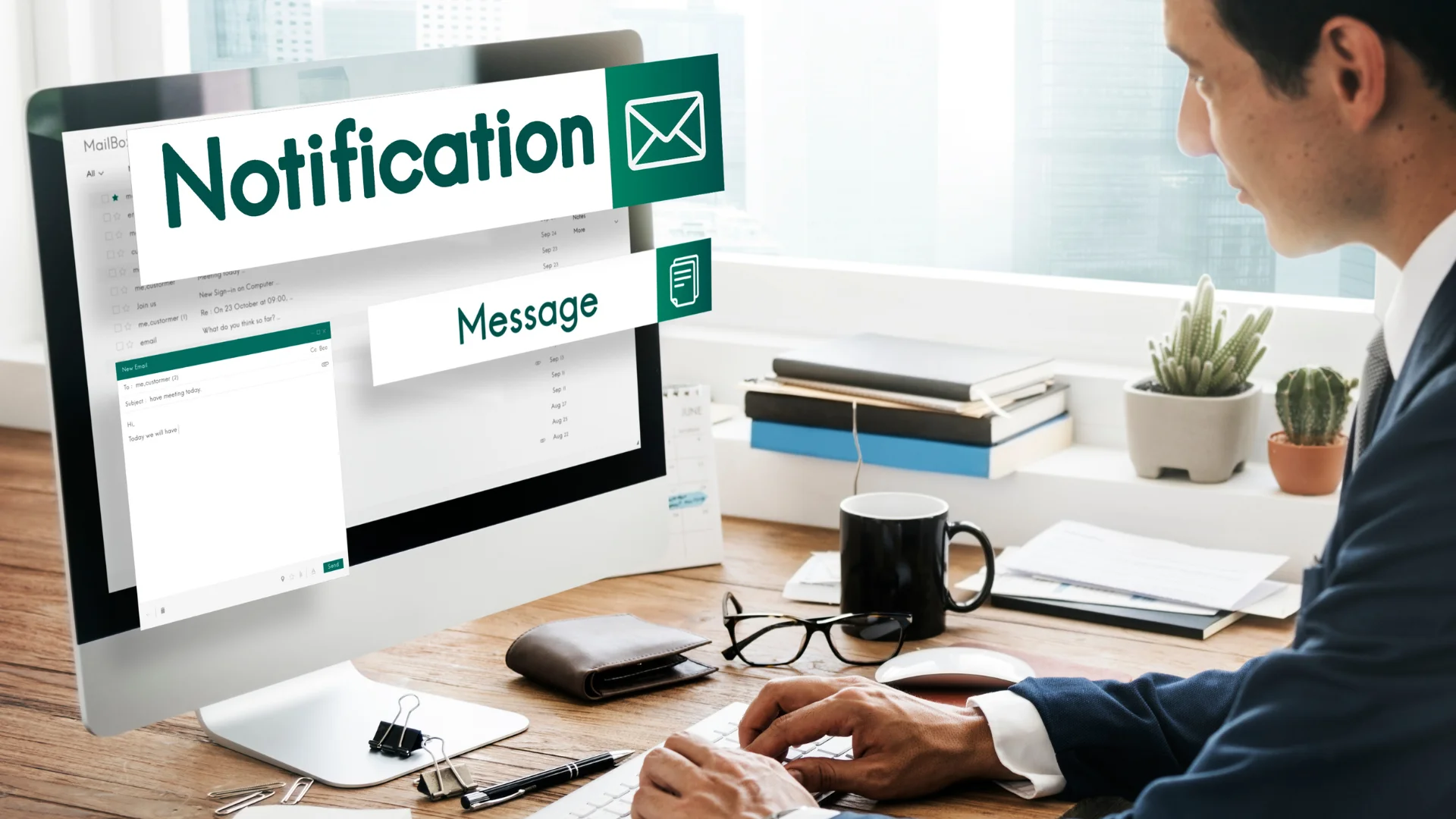
Developed communication is more than sending bulk SMS. Messages can now be targeted, automated, and transactional.
- The Objective:Immediate SMS confirmations for new leads from your website. Support ticket messages logged in Zoho Desk trigger “We’ve received your query” SMS. Delivery update messages from your courier are automatically sent via SMS to the customer.
- How to Achieve It:Local SMS gateway providers such as Telenor SMS, Ufone SMPP, or Mobilink can be integrated. Their APIs are very efficient. In Zoho Flow, you can implement “When a new lead is created in Zoho CRM > Send a welcome SMS via the SMS Gateway API.”
- Outcome:Directly from your business processes, seamless and immediate communication that aligns with local customers.
3. Integrations with Local Logistics
Put order fulfillment at the center of your operations.
- The Goal: As soon as an order is marked as “Fulfilled,” an automated shipment is created with your preferred courier, and the tracking number is sent to the customer.
- How to Do It: Some major couriers’ systems are integrated with APIs. Others can be integrated with webhooks, and some even with structured email-to-Zoho setups. The most important thing is to ensure the tracking number is automatically added to the order record in Zoho Commerce or Zoho CRM.
- The Result: Both you and your customer can track the order within your business software. You will receive fewer “Where is my order?” support calls.
4. Using Local Knowledge (The Zoho Partner Network)

One of the best things about this is that you don’t have to do it alone. In Pakistan, the number of Zoho Certified Partners is expanding. These are local companies that have knowledge of both Zoho’s global ecosystem and the unique characteristics of Pakistani businesses.
- Their Role: They assist you with selecting the most suitable Zoho plan, customizing it to your industry (textiles, manufacturing, services, e-commerce), and most importantly, constructing these vital local integrations. They have often already solved these issues for other local customers.
The real-world example we are going to focus on is Urban Stitch, an e-commerce store based in Lahore, Pakistan.

- Their stack:Zoho Commerce (store), Zoho Inventory (stock), and Zoho Books (invoicing).
- Their stack:Zoho Commerce (store), Zoho Inventory (stock), and Zoho Books (invoicing).
- The Local Gap:Orders were paid for through a bank transfer/Easy Paisa, and shipping was done manually through a courier portal.
- The Integration Project:With a local Zoho Partner:
- Set up a payment gateway to auto-reconcile payments.
- Used Zoho Flow to automate order management and integrated with the courier’s API for manifest creation and tracking number retrieval.
- Integrated local SMS for order dispatched notifications.
- The Result:The owner spends minutes instead of hours performing administrative tasks, and the customers are now happier because of the SMS notification.
Starting Off
You don’t have to go all in. You can start small.
- Figure OutWhat Is Causing You the Most Frustration. Is it the collection of payments? Do customers complain about not receiving SMS messages? Start there, as it takes the longest.
- Look into Zoho Flow.It allows you to connect other apps. It uses templates; see if there is one for your local tool (like a payment gateway).
- Speak to a Local Partner.They can quickly and effectively outline your best options. Try searching for “Zoho Partner Pakistan” to find certified partners.
Zoho’s greatest advantage in Pakistan is its flexibility. It is not about changing your business model; it is about integrating local business customs like payments, messaging, and logistics into your company’s backend systems.
When you remove the bridges that separate your local operations from the global operations, you modernize your business. Creating one seamless, efficient business model powered by top-tier software is a huge advantage.