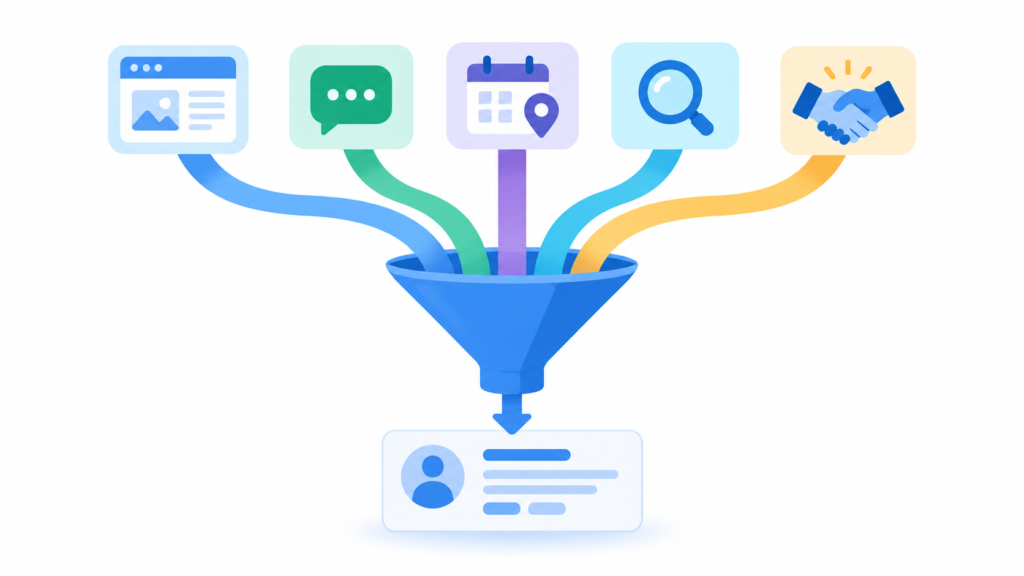

Blueprint in Zoho CRM is not yet another workflow mechanism. It facilitates step-by-step mapping of your sales process to ensure every deal follows the process you’ve laid out. Think of it as a digital playbook that keeps your team aligned, consistent, and accountable.
In this guide, I will cover what Blueprint is, how it works, and how you can enable Blueprint in your Zoho CRM. You’ll see some real-world examples and learn how and why it can be a game-changer for your business.
Need Help Setting Up Zoho CRM Blueprint?
If you want to implement Blueprint the right way without disrupting your sales flow, our services can help you design, configure, and optimize Zoho CRM Blueprint for your business processes.
Turn your CRM into a fully structured sales engine instead of just a data system.
Is your sales process more of a suggestion? Let’s fix that.
What is Zoho CRM Blueprint?

A Blueprint is an online representation of your offline business process. It guides your sales agents through a structured, visual lifecycle, mandating what actions need to be performed at each stage of a deal or lead.
Unlike standard validation rules or workflow alerts that trigger after a field changes, Blueprint controls the transition itself. Your team cannot simply skip from “Lead Created” to “Deal Closed” without passing through the required checks, capturing essential data, or getting manager approval.
The Structural Anatomy of a Blueprint
Every Blueprint consists of two primary elements that structure your workflows:
- States: These represent the stages or milestones in your business process (e.g., Qualification, Demo Scheduled, Proposal Sent).
- Transitions: These are the links connecting one State to another. They represent the actions or conditions required to progress from one stage to the next.
Visual Blueprint Lifecycle Example
Why Your Business Needs Blueprint Functionality
Without standard automation rules, CRMs rely heavily on manual data hygiene, leading to pipeline chaos. Implementing a structured process ensures consistency and efficiency across your entire organization. If you find that your current setup lacks these safeguards, it might be time to scale your capabilities beyond basic business process automation.
| The Operational Challenge | How Zoho CRM Blueprint Resolves It |
|---|---|
| Inconsistent Data Entry | Forces sales reps to fill out essential fields before moving to the next pipeline stage. |
| Unclear Process Ownership | Defines exactly who is responsible for a transition, minimizing miscommunication. |
| Sloppy Deal Onboarding | Automates contextual tasks, emails, and field updates the moment a state transition occurs. |
For organizations making the leap from unstructured tracking to formal pipelines, transitioning efficiently is critical. You can learn more about managing this operational shift by reading about migrating from legacy systems to Zoho.
Step-by-Step: How to Build Your First Blueprint
Ready to configure your first visual blueprint? Follow this tactical step-by-step framework inside Zoho CRM:
Step 1: Navigate to the Blueprint Builder
Log into your CRM instance and go to Setup > Process Management > Blueprint. Click on Create Blueprint. Give your process a recognizable name, select the target module (Leads, Deals, or Custom Modules), and define the primary layout.
Step 2: Establish Your States (Stages)
Drag and drop the fields or stages from your layout onto the canvas. These form the visual milestone nodes your sales reps will navigate through.
Step 3: Define Your Transitions
Connect your states by drawing transition lines between them. For every transition, you can strictly customize requirements across three operational windows:
- Before: Specify who has permission to trigger this step and define layout criteria.
- During: Prompt your user to fill out a checklist, write mandatory notes, or upload key attachments.
- After: Trigger instant background actions like automated emails, custom functions, or field updates.
Want an expert to review your pipeline structure?
Best Practices for Maximizing Blueprint Adoption
To avoid bottlenecks and ensure your team adopts your new automated frameworks seamlessly, apply these optimization strategies:
- Keep Text Transitions Clear: Use active, action-oriented verbs for your transition buttons (e.g., Schedule Consultation instead of Next Step) so reps know exactly what they are verifying.
- Avoid Form Fatigue: Do not demand 15 mandatory fields during a single interaction. Only ask for the essential data needed for that specific milestone.
- Account for Edge Cases: Real sales cycles are fluid. Ensure your blueprints have fallback paths (like a “Nurture” or “Lost” loop) so records do not get stuck indefinitely in the pipeline.
If you need comprehensive operational blueprints tailored to unique sectors like property management or production tracking, explore how customized architectures work by viewing our Zoho vertical guide for construction and manufacturing.
Building an automated sales engine takes careful planning. If you want to configure your CRM structure perfectly from day one, reach out to our team via our Zoho Consulting Services or submit an inquiry through our dedicated Contact Page to get started today.