You’re not alone. Many companies are shifting to Zoho to manage daily tasks, customer relationships, and internal workflows. But is it the right fit for your team?
Let’s explore both the pros and cons to help you decide.
“Even if we do not talk about 5G (specifically), the security talent in general in the country is very sparse at the moment. We need to get more (security) professionals in the system”
Tweet
What Is the Zoho Ecosystem?
The Zoho ecosystem is a broad suite of cloud-based applications designed to run every aspect of an organization. From management tools like Zoho CRM to financial apps, custom platform builders, and analytics tools, it aims to eliminate data silos.
Zoho Ecosystem Adoption Benefits Summary
90%
85%
75%
The Pros of the Zoho Ecosystem
1. Seamless Cross-App Integration
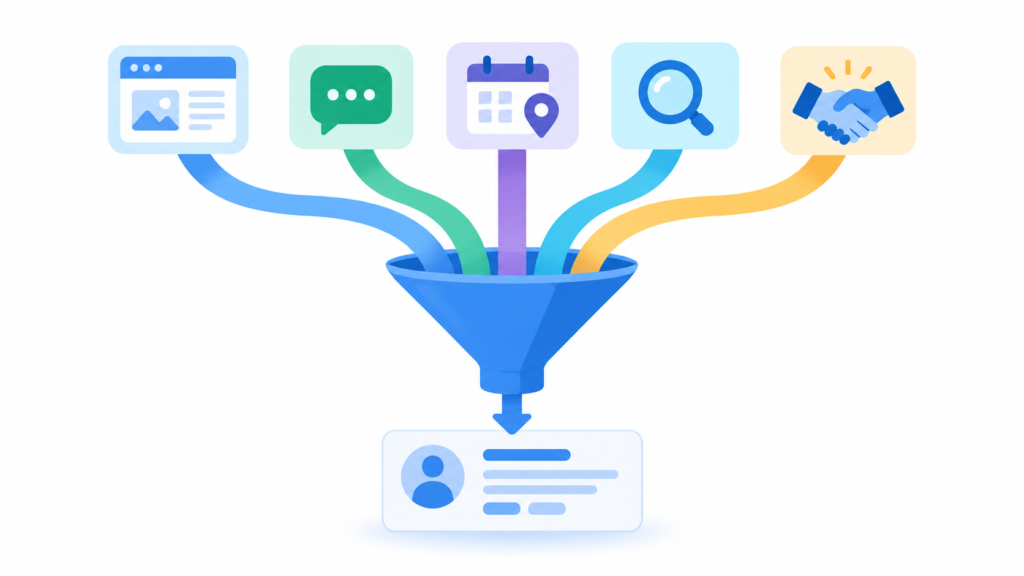
One of the biggest strengths of Zoho is how well its applications talk to each other. When you build business process automation with Zoho, data moves automatically from your marketing forms directly into your sales pipeline without requiring fragile webhooks.
2. Highly Affordable Plans
Compared to heavyweight alternatives, Zoho provides incredible features for a fraction of the cost. If you compare options like Zoho CRM vs Salesforce, smaller and growing businesses find Zoho’s comprehensive licensing models much easier on their budgets.
3. Flexible Custom App Development
Every business processes data differently. Teams who need bespoke trackers or proprietary internal portals can easily deploy low-code workflows or figure out how to build custom business apps with Zoho Creator to meet unique structural demands.
4. Advanced Analytics & Intelligent Insights
Consolidating your operational databases gives you access to enterprise-grade analytics tools. Relying on platforms like Zoho Analytics for smart decisions lets you assemble dynamic cross-departmental dashboards effortlessly.
Looking to Transition to Zoho Seamlessly?
Don’t let setup complexities hold your business back. Download our step-by-step blueprint blueprint outlining how to deploy and map your data without facing operational disruptions.
The Cons of the Zoho Ecosystem
1. Steep Learning Curve
With dozens of deep web tools available, new users can easily become overwhelmed by configuration choices. If you handle setup internally without a structured path, it’s easy to make critical Zoho CRM setup mistakes that affect your team’s software adoption rate.
2. Occasional UI and UI Inconsistencies
Because Zoho has expanded rapidly by developing and acquiring different business software utilities over the years, the navigation layouts across distinct apps like accounting, recruiting, or customer support don’t always feel identical.
3. Data Migration Complexities
Shifting files away from legacy tools, old spreadsheets, or traditional platforms requires precise mapping execution. Understanding why most Zoho migrations fail highlights how vital clean extracts and careful transformation plans are to preventing permanent data loss.
Strategic Comparison Matrix
Review this balanced evaluation to decide if migrating your infrastructure aligns with your long-term business goals:
| Feature/Metric | The Zoho Ecosystem Advantage | Potential Operational Hurdles |
|---|---|---|
| Deployment Cost | Inexpensive user licenses with flexible, layered all-in-one bundle suites. | Custom enterprise integration add-ons can scale overheads if poorly managed. |
| Process Alignment | Native interconnectivity links records from leads to sales pipeline metrics easily. | Requires deliberate planning and deep expertise during initial field architecture mapping. |
| System Scalability | Includes low-code engines built right into the platform for heavy scaling needs. | Advanced logic loops can become tough for non-technical managers to maintain. |
Making the Right Choice
Maximizing value from Zoho depends heavily on how you approach the initial configuration. If you are moving away from restrictive tracking habits, starting off with a targeted Zoho consulting expert evaluation can help you design automated systems that save time, avoid data roadblocks, and scale efficiently.